White Label Gambling Sponsorships in UK Football Likely Sidestep Proposed Ban on Unlicensed Deals
Rosa Hartmann · Mar 23, 2026

White Label Gambling Sponsorships in UK Football Likely Sidestep Proposed Ban on Unlicensed Deals
Legal experts monitoring the UK gambling landscape have determined that white label sponsorship models in football face little risk from a proposed government ban targeting unlicensed operators, primarily because these arrangements channel UK customers through fully licensed entities that adhere to regulatory standards.iGaming Business reports this assessment as the Department for Culture, Media and Sport (DCMS) launches a consultation in March 2026 aimed at curbing black market influences in Premier League sponsorships.
What's interesting here is how the white label structure dodges the crosshairs; operators use licensed partners to manage UK-facing operations, meaning the front-facing brand might lack a direct licence, yet compliance holds firm through the backend handler.
Understanding White Label Partnerships in Football Sponsorships
White label deals have become a staple in UK football, allowing overseas brands to secure prominent sponsorship spots on club kits, stadium boards, and training grounds without obtaining their own UK gambling licence; instead, a licensed UK operator steps in to process bets from British punters, ensuring all transactions fall under Gambling Commission oversight even as the sponsor's name takes centre stage.
Take one Premier League club that inked such a partnership last season: fans saw the flashy logo splashed across the front of shirts during high-stakes matches, while the licensed white label provider quietly handled the regulatory heavy lifting behind the scenes, a setup that's proliferated amid tightening rules on direct foreign sponsorships.
And while these models have drawn scrutiny before, experts note they align with current licensing frameworks, distinguishing them sharply from outright unlicensed sponsorships where no compliant operator bridges the gap.
The DCMS Consultation: Targeting Black Market Sponsorship Risks
The DCMS kicked off its consultation in early March 2026, focusing squarely on sponsorships from unregulated firms that have infiltrated Premier League deals, a move driven by mounting evidence linking such arrangements to organised crime networks and widespread fraud schemes targeting vulnerable fans.
Regulators have flagged instances where unlicensed operators flaunt their brands on club assets, luring UK bettors to offshore sites bereft of consumer protections; this ban proposal seeks to slam the door on those practices, protecting the sport's integrity while shielding punters from predatory tactics.
But here's the thing: the consultation explicitly homes in on unlicensed entities without compliant UK handlers, leaving white label setups—bolstered by licensed intermediaries—outside the immediate strike zone, according to those who've pored over the draft proposals.
Expert Assessments: Why White Labels Stand Firm
Legal specialists in gambling regulation, drawing from years tracking sponsorship evolutions, assert that white label models comply inherently with UK rules since the licensed partner assumes responsibility for British customers, processing deposits, enforcing age checks, and upholding responsible gambling measures.
One observer familiar with these partnerships points out that the Gambling Commission already greenlights such backend operations, meaning the proposed ban—which zeroes in on direct unlicensed exposure—simply doesn't encompass arrangements where a licensed operator acts as the compliant conduit.
Turns out, this resilience stems from the model's architecture: the sponsoring brand might hail from jurisdictions like Curacao or Malta without UK licensing, yet the white label provider's licence covers all UK interactions, a nuance that keeps deals intact even as regulators tighten the net around pure black market players.
Lingering Uncertainties in Future White Label Rules
That said, some fog lingers over long-term requirements for these partnerships; experts highlight potential mandates for sponsoring brands to secure full standalone Gambling Commission licences, which could reshape deal structures although current consultations don't mandate immediate changes.
Researchers who've studied similar regulatory shifts elsewhere, such as in the European Gaming and Betting Association reports on cross-border compliance, suggest UK authorities might introduce enhanced disclosure rules or stricter vetting for white label fronts to preempt loopholes.
People in the industry watch closely, knowing that while the ban poses no existential threat now, evolving guidelines could demand more transparency from overseas sponsors relying on UK-licensed proxies.
Now, as March 2026 unfolds with consultation responses pouring in, clubs and operators brace for clarifications that might fine-tune—but not dismantle—these lucrative arrangements.
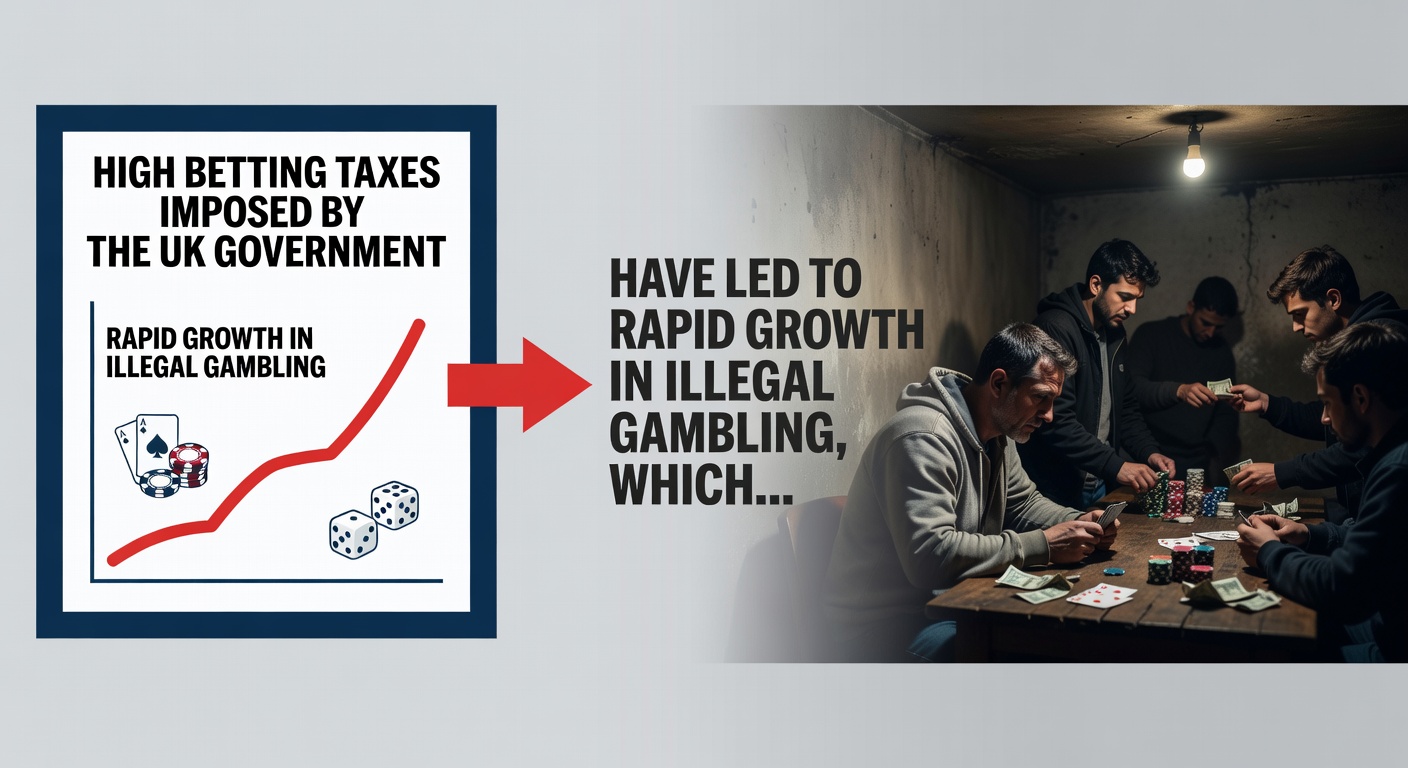
Black Market Shadows: Organised Crime and Fraud Concerns Fuel the Push
Behind the ban proposal lies a stark reality: unregulated sponsorships have opened doors to organised crime syndicates peddling fraudulent betting platforms, often masquerading as legitimate backers to Premier League outfits; data from enforcement actions reveals links to money laundering rings and scams that ensnare thousands of UK fans annually.
Observers note how these illicit deals erode trust in the sport, with punters unwittingly funding criminal enterprises through unregulated apps and sites promoted via club affiliations, prompting DCMS to act decisively against sponsors operating wholly outside UK jurisdiction.
Yet white labels sidestep this peril precisely because licensed operators enforce anti-fraud protocols, KYC verification, and fund segregation—safeguards absent in black market ventures—making them a regulatory safe harbour amid the crackdown.
It's noteworthy that past cases, like those investigated by international bodies, underscore the divide: compliant white labels maintain clean audit trails, whereas unlicensed fronts often collapse under scrutiny, leaving clubs exposed to reputational hits.
Premier League Clubs and the Sponsorship Landscape
Premier League teams have leaned heavily on gambling sponsors—white label or otherwise—for revenue streams that underwrite player wages, stadium upgrades, and youth academies; figures indicate these deals contribute tens of millions per club season, a lifeline as broadcast revenues fluctuate.
So when DCMS floats a ban, boardrooms buzz, but white label continuity offers breathing room; one club executive, speaking off-record to industry outlets, described the model as the "smart play" for navigating bans, preserving high-value logos without licensing headaches.
And although the consultation wraps responses by late March 2026, early feedback from stakeholders emphasises preserving compliant pathways, ensuring football's financial ecosystem hums on without black market interlopers derailing it.
Experts who've tracked sponsorship dollars observe that shifting to non-gambling backers remains costly, reinforcing white labels' appeal as a bridge to whatever rules emerge post-consultation.
Conclusion
As the DCMS consultation progresses through March 2026, white label gambling sponsorships emerge as resilient fixtures in UK football, insulated from the unlicensed ban by their licensed operator backbone; uncertainties around beefed-up licensing persist, yet the core model endures against black market threats tied to crime and fraud.
Those navigating this space—clubs, operators, regulators—eye the outcomes closely, knowing compliant structures like white labels not only sustain sponsorship revenues but also fortify the sport against illicit influences. The ball's now in the consultation's court, with clarity set to shape deals for seasons ahead.