UK Betting Buzz: Online Surge Meets Tougher Rules
David Schmid · Apr 8, 2026
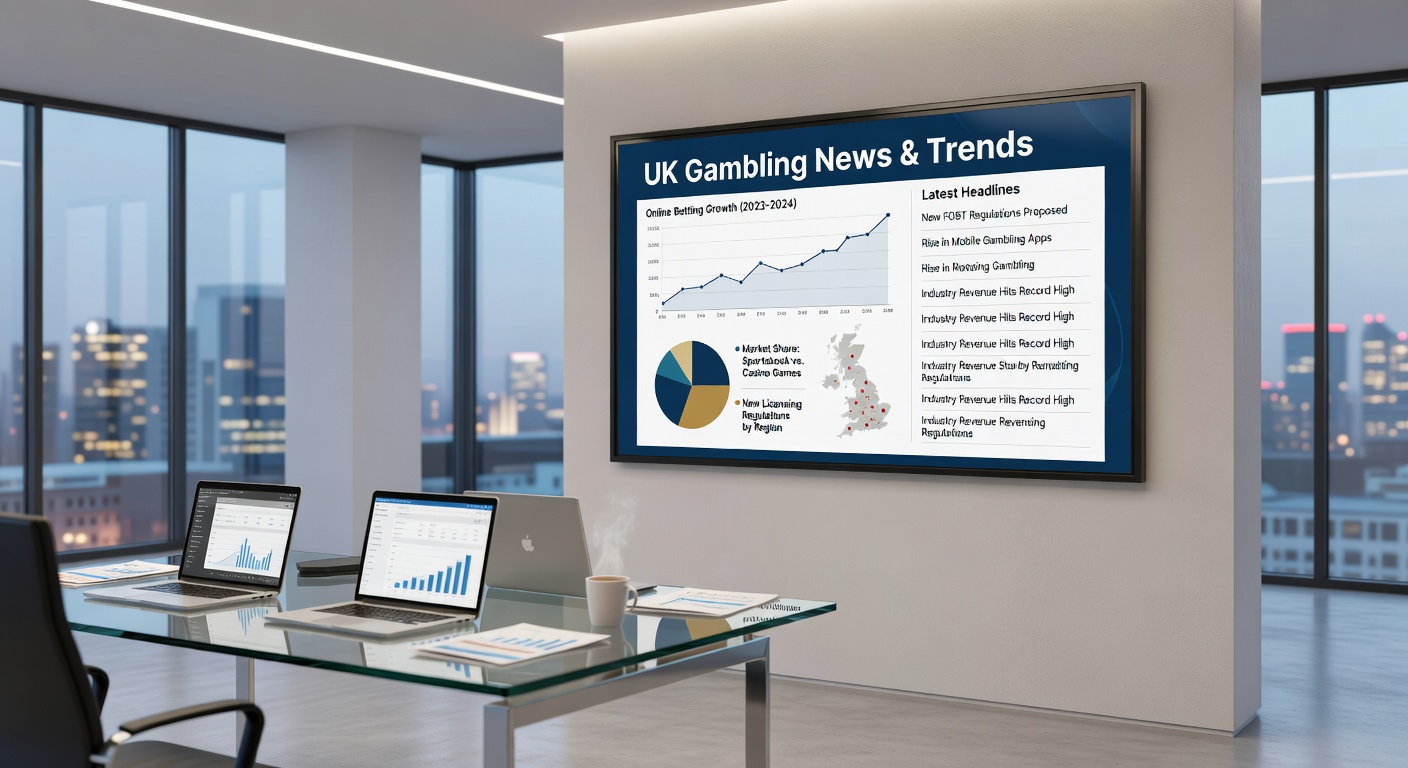
UK Betting Taxes Ignite Black Market Boom Ahead of 2026 World Cup Frenzy
The Tax Squeeze and Its Immediate Fallout
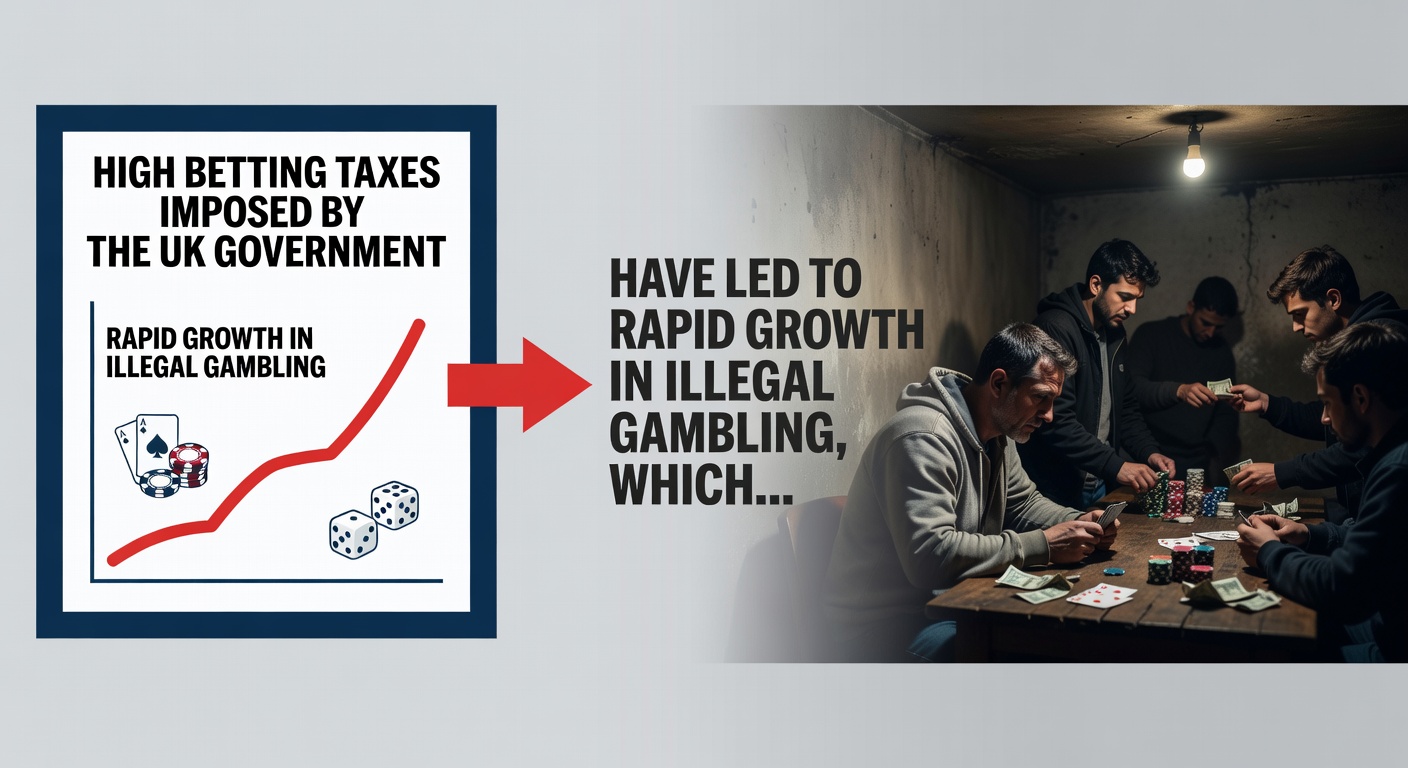
High betting taxes rolled out by the UK government have triggered a swift uptick in illegal gambling activities, with observers now pegging the black market at roughly 10% of the nation's total gambling sector as of April 2026. Licensed operators, squeezed by these levies, struggle to match the allure of unlicensed rivals who dodge such costs entirely, and this dynamic has reshaped the landscape just months before the summer 2026 World Cup kicks off. Data from industry trackers reveals how these taxes, aimed at curbing problem gambling while boosting public coffers, have instead pushed bettors toward shadowy alternatives that promise better odds and fewer restrictions.
Turns out, the policy shift—enacted to generate revenue amid fiscal pressures—has backfired in predictable ways; punters chasing value flock to offshore sites and underground rings, leaving regulated books at a clear disadvantage. Experts who've monitored similar tax hikes elsewhere note that such measures often accelerate illicit growth, especially during high-stakes events like major tournaments where betting volumes explode.
Mapping the Black Market's Rapid Expansion
Figures indicate illegal gambling now claims about 10% of the UK market, a sharp rise fueled directly by tax burdens that licensed firms must absorb and pass on to customers through tighter margins or higher prices. One study from the European Gaming and Betting Association highlights how elevated duties in Europe correlate with black market shares climbing to double digits in regulated nations, and UK trends mirror this pattern precisely. Unlicensed operators, operating from jurisdictions with lax oversight, undercut competitors by offering inflated payouts on popular bets, drawing in casual fans who might otherwise stick with trusted brands.
But here's the thing: this isn't just anecdotal; revenue leaks from the legal sector underscore the scale, as licensed bookmakers report stagnant growth despite rising sports interest. Those tracking the numbers point to a proliferation of crypto-based platforms and anonymous apps that evade detection, making enforcement a cat-and-mouse game for authorities.
And as April 2026 data rolls in, the picture sharpens; underground betting rings have ramped up marketing via social media and word-of-mouth, targeting football enthusiasts with promises of tax-free wins. Observers who've studied past World Cups recall how illicit volumes spiked during the 2022 Qatar event, and current projections suggest even steeper climbs this time around.
World Cup 2026: A Perfect Storm for Illicit Betting
Summer 2026 brings the FIFA World Cup to North America, an event primed to shatter betting records, yet unlicensed operators stand ready to capitalize on the frenzy while licensed ones grapple with tax-induced handicaps. Industry reports forecast a surge in wager volumes, potentially doubling normal peaks, and black market players—unburdened by UK duties—plan to flood the space with aggressive promotions on matches involving England or underdog nations. American Gaming Association analyses of past tournaments show how event hype amplifies illegal activity by 20-30% in taxed markets, a trend UK watchers expect to repeat.
What's interesting is the tactical edge these operators hold; they can afford to lay longer odds on group stage upsets or player props, luring in value-seekers who balk at regulated sites' slimmer margins. Take one case from the 2022 World Cup where offshore apps reportedly siphoned millions from European markets—UK projections for 2026 paint an even grimmer picture, with black market share possibly hitting 15% during peak weeks.
Licensed Bookmakers Feel the Competitive Pinch
Regulated firms face an uphill battle, their profitability eroded by taxes that climb with gross gaming revenue, forcing adjustments like reduced free bets or higher vigs that drive customers away. Data shows licensed operators losing ground fastest in football markets, where illicit sites dominate with seamless mobile access and no KYC hurdles. People who've crunched the numbers observe that this disparity not only hampers innovation—think fewer promotions or tech upgrades—but also shrinks taxable revenue streams the government relies on.
Yet the rubber meets the road in consumer behavior; surveys reveal a growing tolerance for unregulated options among younger bettors, who prioritize speed and returns over safeguards. It's noteworthy that while legal books invest heavily in responsible gambling tools, black market alternatives offer none, setting the stage for unchecked risks.
Consumer Risks Amplify Amid teh Shadows
Unlicensed betting carries perils that licensed platforms mitigate through strict protocols, including rigged odds, data breaches, and zero recourse for disputes—issues that flare during event surges like the World Cup. Researchers tracking cyber threats note a spike in phishing scams tied to fake betting apps during major tournaments, and UK users remain prime targets. One report details how illicit sites, often hosted in unregulated havens, withhold winnings or vanish post-event, leaving bettors high and dry.
So while the allure of better payouts tempts many, the reality hits hard; addiction support evaporates, and vulnerable players face amplified harms without intervention. Experts emphasize that this tax-driven shift inadvertently heightens exposure to money laundering and fraud, eroding trust across the board.
Industry Voices Raise Alarms on Revenue and Regulation
Observers from the betting trade warn of dual threats—plummeting legal revenues and unchecked consumer vulnerabilities—as taxes push more activity underground, per insights in a recent Telegraph analysis. Groups representing operators call for balanced reforms, arguing that current rates, among Europe's highest, stifle competitiveness without curbing overall gambling. Figures reveal potential billions in lost Treasury income if black market growth persists, ironically undermining the policy's fiscal goals.
Now, with the World Cup horizon looming, calls intensify for interim measures like enhanced monitoring or incentives for legal innovation, though policymakers tread cautiously amid budget debates. Those in the know point to Australian models, where tiered taxes preserved market integrity during events like the 2023 Women's World Cup, as a blueprint worth considering.
Broader Economic Ripples and Enforcement Challenges
The fallout extends beyond bettors; jobs in compliance and tech at licensed firms hang in balance as revenues dip, while enforcement agencies stretch thin against tech-savvy illicit networks. Data from cross-border probes shows underground ops leveraging VPNs and crypto to launder proceeds, complicating crackdowns. It's not rocket science—higher taxes correlate with evasion spikes, and UK stats bear this out starkly in 2026's early months.
But the writing's on the wall for a pre-World Cup reckoning; industry panels urge collaboration between operators and watchdogs to spotlight risks, perhaps through public campaigns highlighting legal perks. One observer notes how similar efforts in Canada during teh 2022 Cup stemmed some bleeding, offering a glimmer of strategy amid the storm.
Conclusion: Navigating the High-Stakes Path Forward
As the 2026 World Cup nears, UK gambling confronts a tax-fueled black market at 10% and climbing, with unlicensed forces poised to exploit the biggest betting bonanza in years. Licensed bookmakers battle disadvantages that threaten revenues and consumer safety alike, prompting urgent warnings from sector watchers. Data underscores the need for nuanced adjustments—perhaps lighter duties or bolstered enforcement—to reclaim ground, lest the shadows swallow more of the market. The ball's in the policymakers' court now, with punters watching closely as summer stakes rise.