Matching Promotional Designs to Mathematical Models in Remote Gaming
Bianca Frank · Jun 1, 2026

Matching Promotional Designs to Mathematical Models in Remote Gaming
Operators in remote gaming platforms rely on probability models to structure promotional incentives such as deposit matches, free spins, and cashback offers. These models calculate expected value, house edge, and player retention rates while ensuring compliance with return-to-player percentages mandated by various jurisdictions. Data from industry reports shows that platforms adjust wagering requirements based on game volatility and hit frequency to balance player engagement against operational costs. ## Core Probability Elements in Bonus Design
Remote platforms integrate random number generators with player behavior data to forecast redemption patterns. Researchers at academic institutions have examined how expected value calculations determine the break-even points for bonuses, where the mathematical formula incorporates the probability of completing wagering conditions multiplied by the average return rate of selected games. This approach allows operators to set thresholds that minimize losses from high-volume redeemers while attracting new accounts. Game selection within promotions often ties directly to these models. Slots with lower volatility receive higher contribution rates toward wagering because their steadier payout frequencies align with predictable loss curves. In contrast, table games with higher variance might carry reduced weightings to offset the risk of rapid bonus depletion followed by player churn. ## Regulatory Influences and June 2026 Developments
Changes scheduled for June 2026 introduce new rating requirements for certain in-game mechanics across European markets, affecting how platforms disclose probabilities tied to promotional rewards. Observers note that these rules encourage clearer communication of odds in bonus terms, which in turn influences model calibration for transparency. Platforms must now factor disclosure obligations into their probability simulations to avoid penalties while maintaining competitive offers. Figures from international gaming associations reveal that operators in North America and Australia have already begun testing similar transparency features, resulting in adjusted bonus values that reflect regional house-edge regulations. Such adaptations demonstrate how probability frameworks evolve alongside legal frameworks without disrupting core revenue projections. 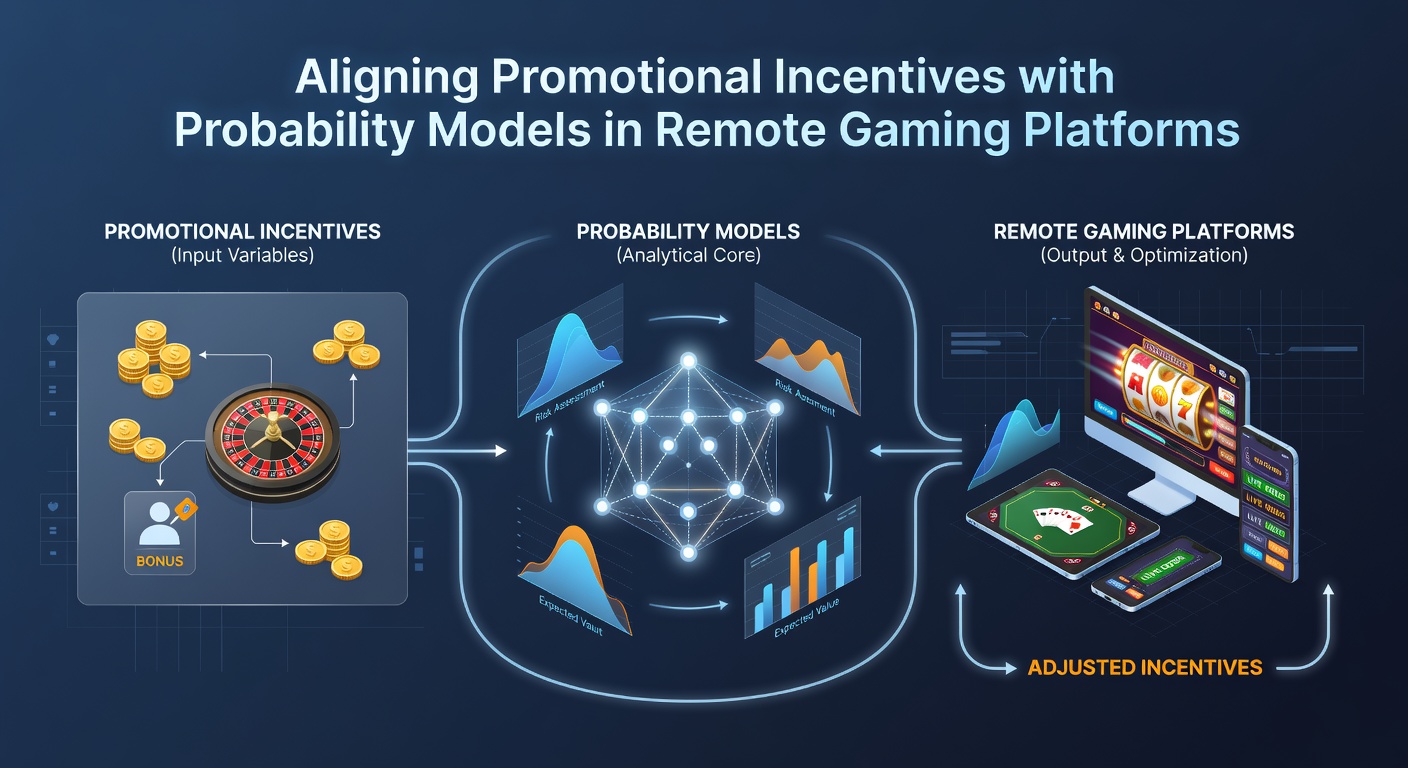 ## Case Examples from Platform Implementations
One major operator adjusted its loyalty cashback program after simulation runs indicated that weekly payout caps reduced overall liability by 18 percent while preserving player activity levels. The model incorporated Poisson distributions to estimate claim frequencies across different player segments, allowing precise scaling of incentive tiers based on historical deposit patterns. Another platform applied Monte Carlo methods to free spin bundles, testing thousands of outcome scenarios to establish minimum playthrough multiples that still delivered positive expected value for a majority of users. Results guided the decision to limit eligible titles to those with documented return-to-player rates above 96 percent, ensuring alignment between promotional cost and long-term platform profitability. ## Data Integration and Model Refinement
Platforms aggregate session data, including bet sizes, session duration, and game preferences, into centralized models that recalibrate promotional parameters weekly. According to findings published by the University of Las Vegas gaming research center, these iterative updates improve forecast accuracy by incorporating real-time adjustments for seasonal traffic spikes and new game releases. External verification through third-party testing agencies further validates that random outcomes match theoretical probabilities before incentives launch. This step prevents discrepancies that could erode trust or trigger regulatory scrutiny in markets with strict audit requirements. ## Future Adjustments in Remote Environments
As artificial intelligence tools advance, remote platforms continue refining probability models to personalize incentives at the individual level while respecting aggregate risk parameters. Industry organizations such as the European Gaming and Betting Association have documented pilots where machine learning clusters players by behavioral profiles, then applies tailored bonus structures derived from conditional probability calculations. These developments maintain focus on measurable outcomes rather than broad assumptions, allowing sustained alignment between promotional spend and platform economics across diverse regulatory landscapes. ## Conclusion
Probability models serve as the foundation for designing, testing, and refining promotional incentives within remote gaming platforms. By grounding offers in statistical projections and adapting to emerging regulatory timelines such as those in June 2026, operators achieve measurable control over costs and engagement metrics. Ongoing data integration ensures these frameworks remain responsive to player patterns and market conditions without relying on generalized approaches.
## Case Examples from Platform Implementations
One major operator adjusted its loyalty cashback program after simulation runs indicated that weekly payout caps reduced overall liability by 18 percent while preserving player activity levels. The model incorporated Poisson distributions to estimate claim frequencies across different player segments, allowing precise scaling of incentive tiers based on historical deposit patterns. Another platform applied Monte Carlo methods to free spin bundles, testing thousands of outcome scenarios to establish minimum playthrough multiples that still delivered positive expected value for a majority of users. Results guided the decision to limit eligible titles to those with documented return-to-player rates above 96 percent, ensuring alignment between promotional cost and long-term platform profitability. ## Data Integration and Model Refinement
Platforms aggregate session data, including bet sizes, session duration, and game preferences, into centralized models that recalibrate promotional parameters weekly. According to findings published by the University of Las Vegas gaming research center, these iterative updates improve forecast accuracy by incorporating real-time adjustments for seasonal traffic spikes and new game releases. External verification through third-party testing agencies further validates that random outcomes match theoretical probabilities before incentives launch. This step prevents discrepancies that could erode trust or trigger regulatory scrutiny in markets with strict audit requirements. ## Future Adjustments in Remote Environments
As artificial intelligence tools advance, remote platforms continue refining probability models to personalize incentives at the individual level while respecting aggregate risk parameters. Industry organizations such as the European Gaming and Betting Association have documented pilots where machine learning clusters players by behavioral profiles, then applies tailored bonus structures derived from conditional probability calculations. These developments maintain focus on measurable outcomes rather than broad assumptions, allowing sustained alignment between promotional spend and platform economics across diverse regulatory landscapes. ## Conclusion
Probability models serve as the foundation for designing, testing, and refining promotional incentives within remote gaming platforms. By grounding offers in statistical projections and adapting to emerging regulatory timelines such as those in June 2026, operators achieve measurable control over costs and engagement metrics. Ongoing data integration ensures these frameworks remain responsive to player patterns and market conditions without relying on generalized approaches.